
Indigenous History & Culture in North Bay
When you think of North Bay, you might envision a picturesque place where modern highways and railways intersect amid stunning natural landscapes and serene waterways. However, North Bay is more than just a scenic crossroads. It’s a region steeped in history, particularly Indigenous history, that has shaped the identity of this enchanting city.
A Timeless Gathering Place
For thousands of years, the shores of Lake Nipissing have served as a gathering place for countless people. They would come to trade, engage in ceremonial rituals, and find solace in this pristine setting. This area is the ancestral homeland of the Nbisiing (Nipissing) People, nestled on the shores of Lake Nipissing, with Algonquin territory to the east and the Tema Augami (Temagami) Nation to the north.
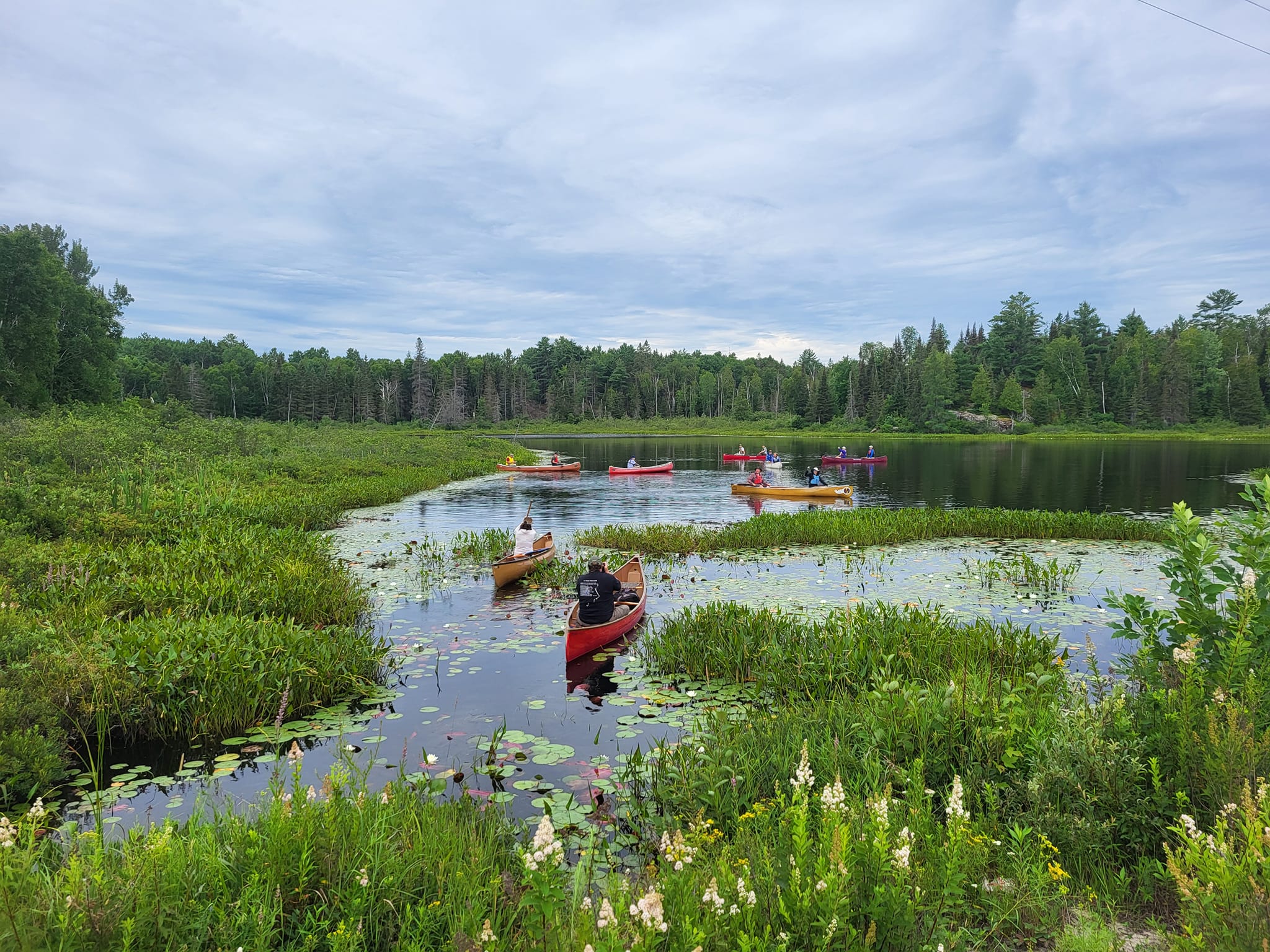
The entire Nipissing District was an ideal place for hunting, agriculture and trading points within reach of many other Indigenous communities via trails and canoe routes, each with their own abundance of natural resources.
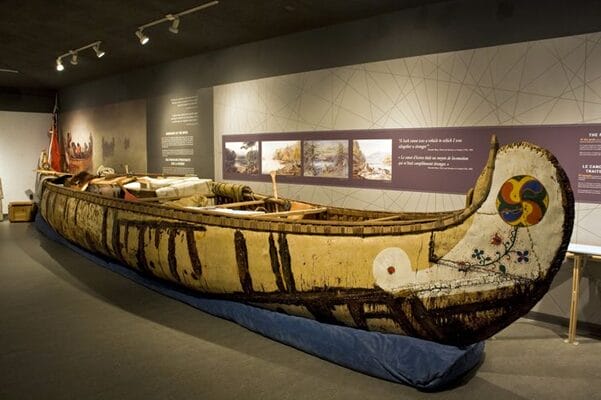
So long before European contact, this region was a bustling hub, teeming with life and the activity of commerce and community. An estimated 10,000 Ojibwe individuals called Nipissing territory their home. People of this entire corridor from Nipissing to the Maritimes constructed remarkable canoes from materials such as birch bark, cedar, and spruce roots, with the iconic white-barked birch trees still gracing the landscape today. You can see these beautiful vessels at places like the Mattawa Museum and the Samuel de Champlain Provincial Park.
Lake Nipissing: A Place of Migration and Cultural Diversity
Lake Nipissing has been occupied for over 10,000 years. It is said the Anishinaabe people migrated here in response to a foretelling that hard times were approaching for the people, a large canoe was bringing others to this place. As the Elders instructed, they embarked on a journey westward, loading their birch bark canoes with hope and determination.
During this remarkable migration, communities formed at various stops along the way, laying the foundation for a diverse tapestry of cultures to develop over time, such as the Mi’kmaq, Abenaki, Ojibwe Potawatomi, Algonquin people. This diversity gave rise to the Algonquian group of woodland people, who celebrate and acknowledge their connects still today.
Upon reaching Lake Nipissing, they discovered vast fields of wild rice flourishing on the water, a clear manifestation of the land’s bountiful offerings, closely aligned with the prophesied food growing on the water. Some saw it as a compelling sign to establish their settlements here, while others chose to continue their journey, encircling the expansive inland seas, including the Great Lakes, establishing thriving communities along the way. This cherished location, situated at the water’s edge and known as Nbisiing, became their home. Today, the Nipissing First Nation diligently safeguards these waters and is actively engaged in the restoration of the cherished wild rice beds.
A Glimpse into Ancient Lake Levels
For a glimpse into the geological significance of the region, visit the numerous escarpment lookouts in North Bay. These vantage points offer breathtaking views of ancient lake levels, where glacial waters once surged, raising the levels of Lake Nipissing far higher than they are today.
Six centuries ago, Lake Nipissing flowed into the French River system and the Trout Lake System. Today, remnants of this connection can be found at the La Vase Portage, located just outside the city along Highway 17 E.
Unearthing Indigenous Records
The earliest records of the region date back to the 1600s when Jesuit explorers arrived, documenting a thriving Indigenous population of over 10,000 individuals. These records, though viewed through a European lens, offer invaluable insights into the area’s history and culture. Indigenous scholars continue to explore and reinterpret these records, shedding new light on the past.
Resilience and Alliance in Turbulent Times
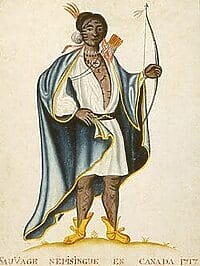
The 1700s brought challenges, particularly during the tumultuous Fur Wars, when the Nipissing people were forced from their lands by the Iroquois with British support. However, the Nipissing displayed remarkable resilience and determination, returning to their ancestral lands.
In a testament to their strength, they forged an alliance with the British, successfully defending against American forces in 1814. As well as many as 10 000 Indigenous warriors from across the entirety of the Anishinabek Nation were the foundation of the troops during the War of 1812. If it were not for these brave warriors, we would be Americans today.
From Village to City: Transformation Through the Railroad
North Bay’s transformation from a modest village into a bustling city was catalyzed by the arrival of the railroad in 1884. This growth unfolded on the traditional lands of the Nipissing First Nation, shaping the city’s development significantly.
The 1850 Robinson Huron Treaty, intended to encompass these lands in reservation boundaries, has paved the way for recent settlements and developments, marking an ongoing journey toward recognition and justice for the Anishinaabe people.
Honoring Indigenous Contributions
The city acknowledges the vital contributions of the Nipissing First Nation and Indigenous communities and recently renamed one of the city’s largest beaches after Chief Shabogesic, one of the first treaty signatories.
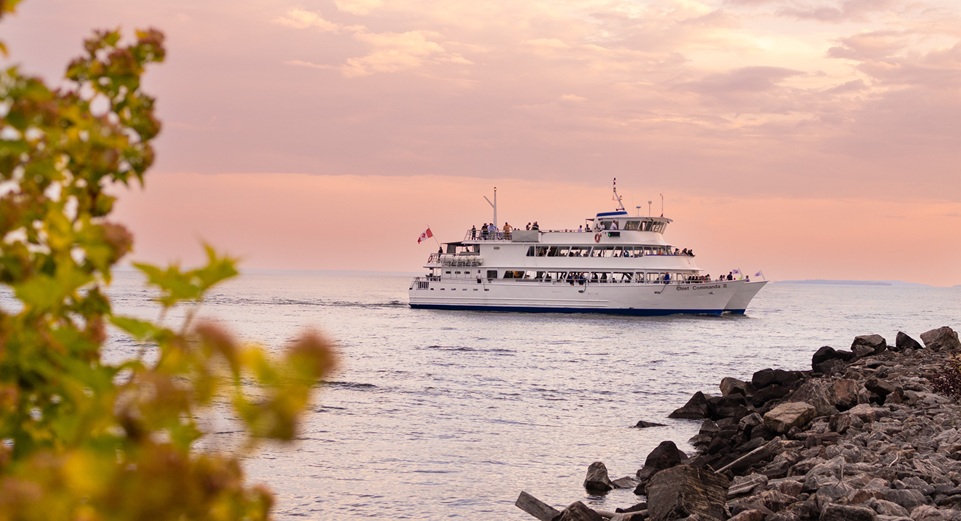
Visitors keen on delving deeper into this rich history can embark on a cruise on Lake Nipissing aboard the Chief Commanda II boat, named after a revered leader of the Dokis First Nation. The Commanda name itself carries a story, born during the War of 1812 when a warrior was referred to as “Commander,” a precursor to the European practice of using first and last names.
Experience Indigenous Culture: Pow-Wows and Beyond
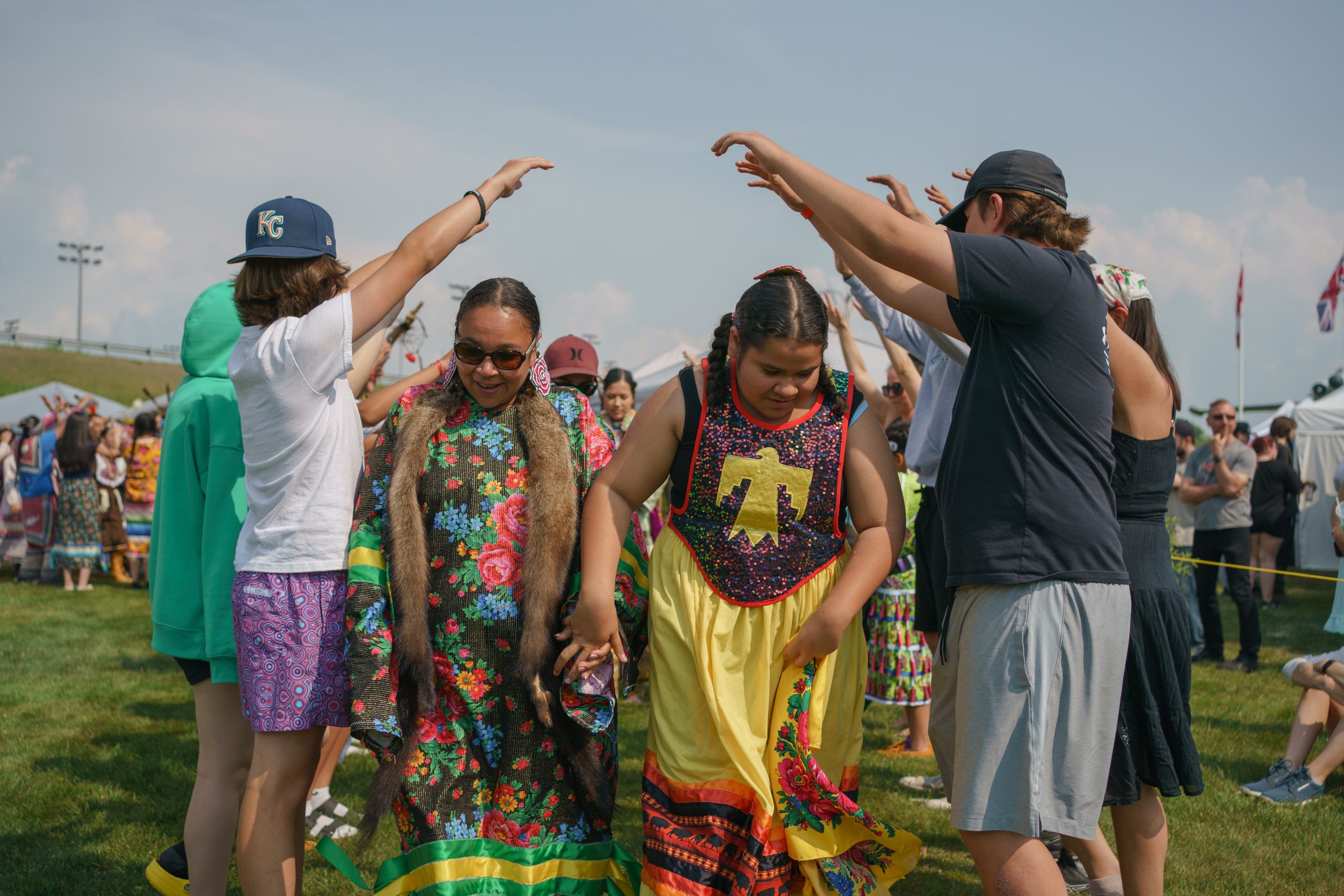
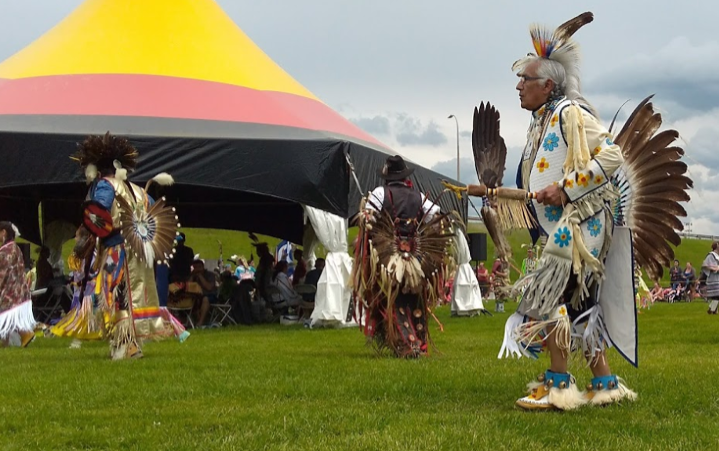
One of the most captivating ways to immerse yourself in Indigenous culture is by attending one of the many local pow-wows held throughout the year, particularly during the summer. These gatherings offer a unique opportunity to witness large drums, an ancestral gift from women to men to promote harmony and unity.
Nipissing’s traditional gathering is on Labour Day weekend, Nipissing University students celebrate later in the fall, Canadore College mid-winter and among the most prominent pow-wows in the area is the Maamwi Kindaaswin Pow-Wow hosted by the North Bay Indigenous Friendship Centre, offering a chance to learn different dances and capture awe-inspiring photographs at Lee Park in June, with the summer solstice embraced on National Indigenous Day.
Pow-wow songs, often without words, convey profound meanings, fostering a sense of connection among participants. While these events are open to the public, it’s essential to observe etiquette and respect ceremonial rules, such as the sacred nature of regalia.
At pow-wows, you’ll encounter a variety of dances, but be sure to listen for the Intertribal dances, where guests from all nations are welcomed to join in the celebration.
A Thriving Indigenous Community
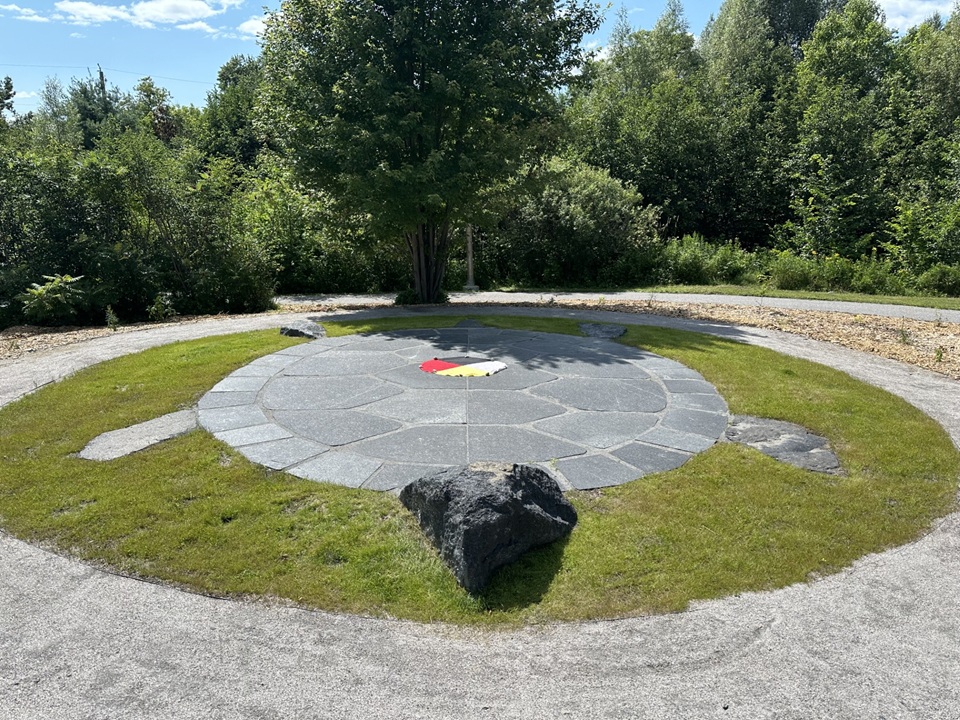
Today, North Bay’s Indigenous population stands at over 8,000 individuals, nearing pre-contact numbers. The city provides numerous opportunities to experience modern Indigenous cultures, from pow-wows, special events, to art exhibitions at the WKP Kennedy Gallery, and if you are looking for a place of reflection then you must visit Miskwaadesi along the beautiful Kinsmen Trail.
Indigenous creativity is celebrated as a vital aspect of personal development, and you’ll find many Indigenous events and initiatives throughout the area during your visit. These opportunities offer a window into the vibrant tapestry of Indigenous life that continues to enrich North Bay’s identity.
North Bay has always been a Gateway to the wonders around it. Temagami, with its old growth pines and deep water mysteries, is an hour and a bit north by car, Algonquin Park an hour southeast and popular Champlain and Restoule Provincial Parks are closer yet.
In North Bay, the past is not a distant memory but a living presence, that is reflected in the faces of the Indigenous people who still call this place home.
For a deeper dive into the Indigenous history of the area, see the Nipissing First Nation’s online collection of documents and publications HERE.
STAY
STAY
Whether planning a weekend getaway or a family vacation, North Bay has accomodation to suit everyone's needs.
Eat & Drink
Eat & Drink
SEE & DO
SEE & DO
EVENTS
EVENTS
The official visitor guide to local festivals, events and activities in and around North Bay.