
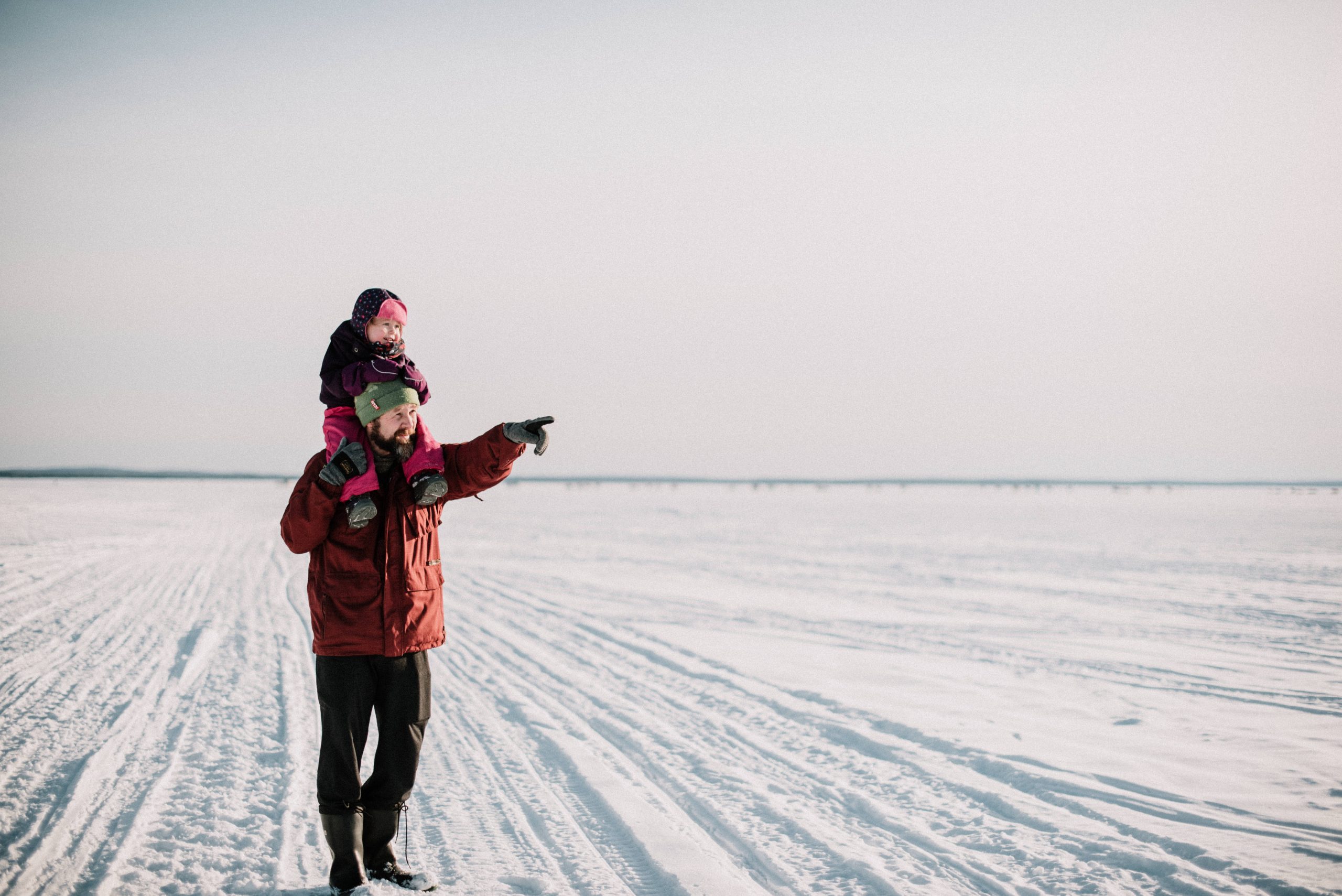
When it comes to fully embracing the climate and enjoying the copious thrilling winter activities in Northern Ontario, the hardy people of North Bay know a thing or two about how to stay warm in the winter! In Ontario’s Gateway to the North, winter is a lifestyle embraced with vigour and reverence.
What’s our secret to getting the most out of a winter sojourn? The short answer is first, it’s attitude – embrace the cold. Second, learn the 3-step layering rules for dressing properly for the weather and your chosen activity.
Let’s dig into it though – our guide to staying warm outside in an Ontario winter makes it easy for you to thoroughly and safely enjoy everything winter has to offer in North Bay.
How Cold Does it Get in Winter in North Bay?
Winters in North Bay have historically been long, cold, unusually sunny and blanketed with glorious white snow. Average North Bay temperatures range from -14 ºC to 5 ºC and the windchill factor can make it feel anywhere from -2 ºC to -10 ºC colder.
Although the weather changes from year to year, the most snowfall is seen in December, January and February, with March and November sometimes competing for second place!
How to Dress For Winter – The 3-Step Layering Rule
1. THE BASE LAYER – Moisture Wicking
It’s easier to take off a layer when you get hot and put it back on when you get cold than coming unprepared and just being cold. It’s hard to imagine getting ‘hot’ in sub-zero temperatures, but the energy you burn trekking through the snow in snowshoes or cross country skiing raises your core body temperature causing you to sweat. The key to making sure that sweat doesn’t sit on your skin and cool you down is to start with the proper base layer.
What clothes are best as a base layer? Wool, especially Merino or Alpaca Wools are the best option. It’s naturally breathable, durable and odour resistant. Thermal tops and bottoms, also known as ‘Long Johns’, made of newer synthetic blends will also do the trick. Polyester fleece is a synthetic fibre designed to act much in the way that wool does.
Just avoid cotton, the old backcountry adage goes that ‘cotton kills’ in winter – cotton absorbs water and takes much longer to dry than wool, leading to loss of body heat and raising risks of hypothermia. Cotton includes jeans, flannel, and 50/50 blends.
2. THE INSULATING LAYER – Heat Retention
Next is the insulating mid-layer to keep you warm. Think Down jacket, lightweight and compressible if you need to take it off and carry it for a while. A puffy or high-loft fleece jacket also works well to keep you warm and dry. If you’ve chosen the right base-layer a synthetic jacket will keep you warm. The downside to synthetics is that they can be quite bulky if your activity requires dexterity.
3. THE TOP LAYER – Wind Protection
Ideally, the top layer should be wind-proof and waterproof but also breathable, so you don’t trap the sweat inside. Talk to any outdoor enthusiast and they can go on about the astounding qualities of Gore-Tex. Gore-Tex was discovered by accident in a lab and can repel water while still allowing water vapour to pass through making it waterproof AND breathable. While Gore-Tex was once the only choice for waterproof, breathable apparel, innovators in the outdoor field have developed alternatives that function in much the same way and don’t come with the same price-tag. While not as desirable as a fully breathable top layer, many shells will have venting that will help release some of the moisture when you start to heat up.
How to Keep Your Hands, Feet and Head Warm
Mitts, gloves, toque, socks, scarf or neck gaiter – all follow the same theory for fibre choices. Wool, fleece and thermal synthetics are the materials of choice.
A waterproof and windproof layer for your hands will keep your extremeties warm and dry, especially in situations where you may find yourself getting familiar with the snow, wind, ice or water – like when ice fishing on Trout Lake, fat biking the Laurentian Escarpment, snowmobiling Lake Nipissing or downhill skiing Laurentian Ski Hill.
If you’re looking to complete your cold weather clothes list while in North Bay, to purchase your own Northern certified winter accessories visit the North Bay Farmer’s Market where vendors like Lonely Oak Alpacas sell beautifully hand-crafted winter accessories spun, dyed and woven from the wool of the alpacas that roam their small farm on the outskirts of North Bay.
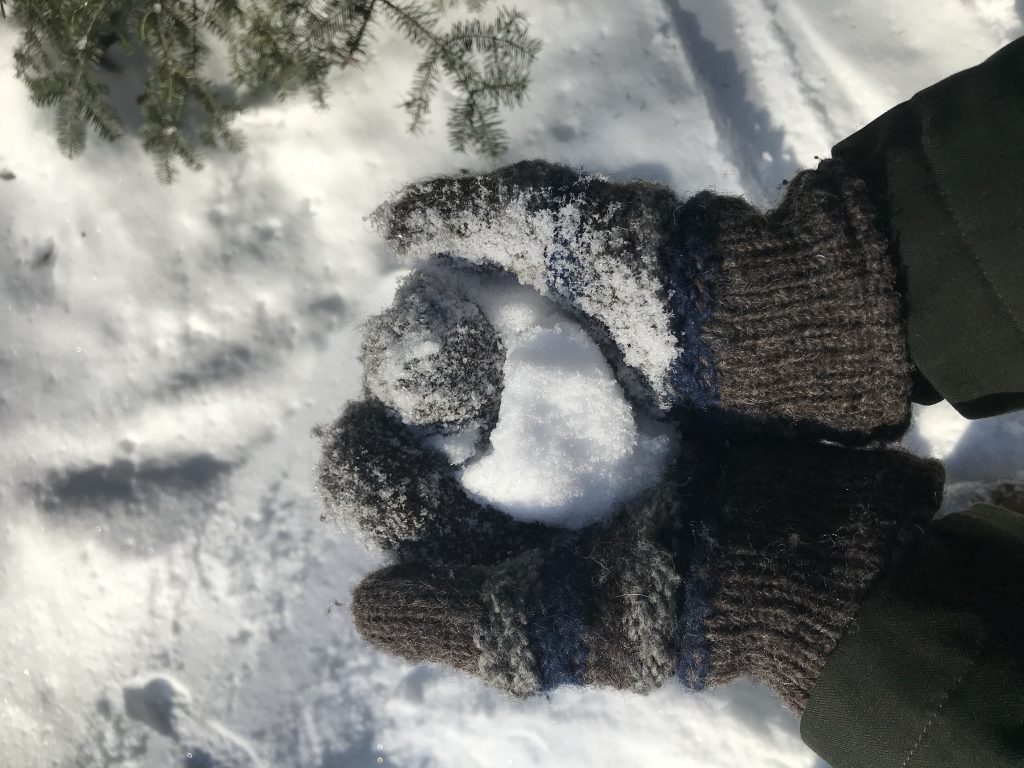
Mitts vs Gloves? Toques vs Ear Muffs?
It may be a personal preference and it is often activity-dependent, but there’s some pros and cons to consider when choosing mitts vs gloves or a toque vs ear muffs or a headband.
Wool mitts allow your fingers to stay in contact and naturally keep your hands warm, while insulated gloves will give you more dexterity. A little tip from a Northerner – if it’s -20 ºC or more and especially if you are not being all that active, choose the mitts and give up a little dexterity. You won’t regret it.
If you’re in town and need a little advice on how to choose activity-specific gear, Lefebvres Source for Adventure is a local outfitter that has served the community for over 100 years.
That’s a whole lot of knowledge and experience outfitting the demands of Northern Ontario’s great outdoors!! The owners and brothers, Aaron and Andrew Busch are avid outdoor enthusiasts themselves and can point you to some of North Bay’s best outdoor adventures.
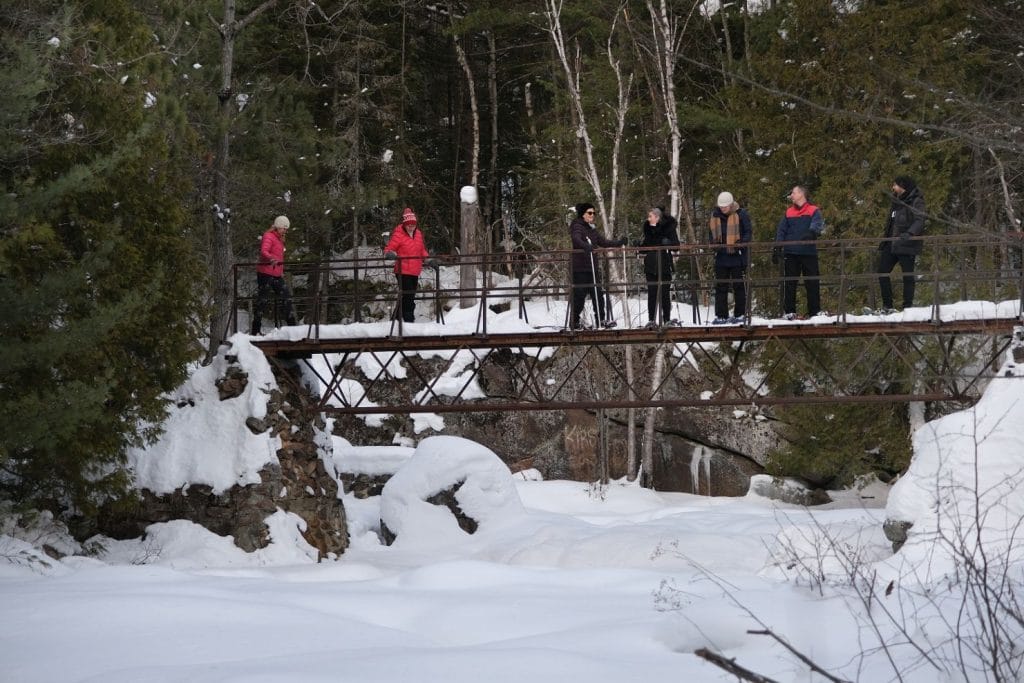
Now that you are properly outfitted and got the 3-step layering rules down pat, plan your visit to North Bay this winter and then hit the trails! Discovery Routes Trails Organization has a complete listing of four-season trails for all non-motorized and motorized activities in the North Bay area.
Tourism North Bay’s Winter Fun page is a hub for all outdoor winter activities, events and attractions in North Bay. Be sure to check out our exclusive accommodations promotions and Taste the Bay culinary events while you are here.
Layer up, stay warm and love winter like a Northerner!